
montessori programs
an education for life
Our program nurtures creativity and talent through hands-on montessori education, engaging the five senses with carefully designed materials that support self-paced learning. Dr. Maria Montessori described ages 3 to 6 as the second phase of the ‘sensitive period’. this is a time of enormous developmental leaps, when children are ready to expand their vocabulary, grasp math concepts, and develop habits for working with others.
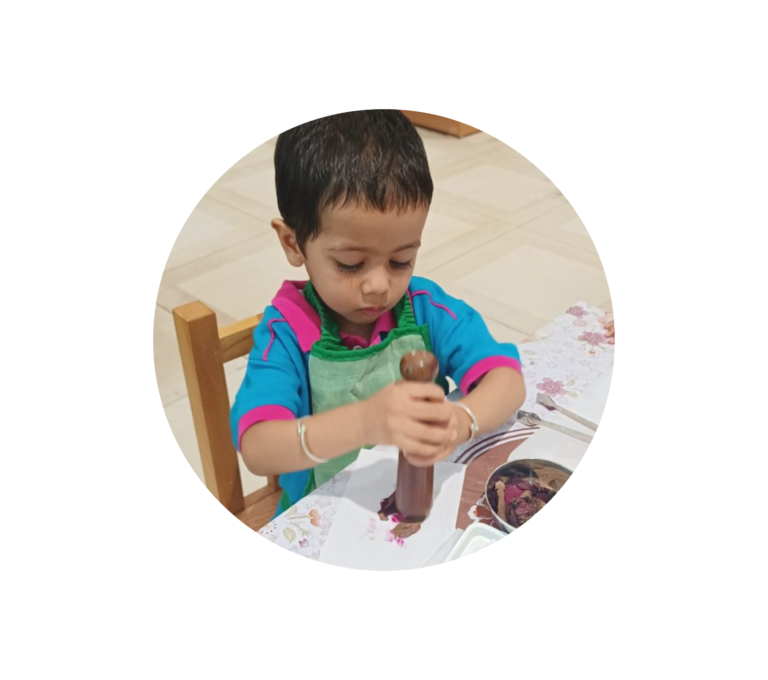
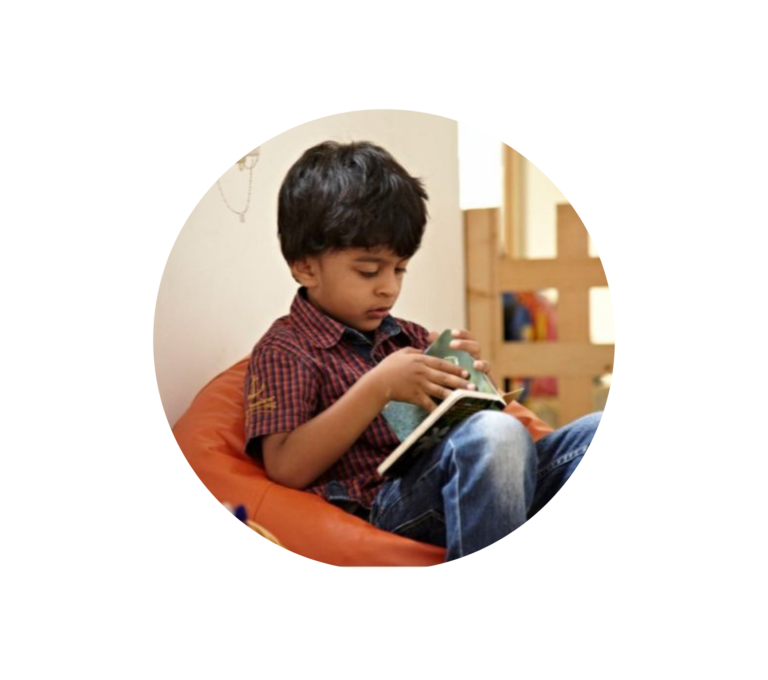
Montessori Toddler Program: A Foundation of Independence and Trust
The Montessori toddler environment is carefully prepared to support the youngest learners during one of the most sensitive periods of their development — from around 15 to 30 months. At this stage, children experience intense growth in movement, language, independence, and social awareness. The classroom is thoughtfully designed to be safe, calm, and rich in sensory experiences that allow toddlers to explore and make sense of the world around them. Materials are developmentally appropriate, inviting repetition and fostering concentration through purposeful activity.
Respect for the child’s autonomy is at the core of the toddler program. Teachers gently guide rather than instruct, encouraging toddlers to try things for themselves, whether it’s dressing, feeding, or cleaning up. These everyday tasks form the foundation of self-confidence and responsibility. The consistent routine and nurturing environment help children develop trust in themselves and others. Through social interaction, movement, and real-world tasks, toddlers begin to build emotional resilience, physical coordination, and an emerging sense of belonging and identity. The toddler program lays the groundwork for joyful, lifelong learning by cultivating curiosity, self-expression, and a deep connection to their surroundings.
The Montessori Three-Year Cycle: A Journey of Growth and Discovery
The Montessori three-year cycle, spanning ages 3 to 6, is a cornerstone of Montessori education. It represents a thoughtfully structured continuum of learning that aligns with the natural stages of child development. Each year builds upon the last, providing children with the time, space, and guidance needed to grow at their own pace. This cycle offers a stable and consistent environment where learning unfolds organically, allowing children to move from exploration to mastery.
The continuity of staying with the same teacher and peer group fosters emotional security, deeper academic engagement, and strong interpersonal relationships. It promotes independence, enables individualized instruction tailored to each child’s learning style, and nurtures leadership as older children guide and support younger peers. This holistic approach ensures that children experience meaningful development, not only academically, but also physically, socially, emotionally, and spiritually.
Year 1: The Absorbent Mind (3-4 yrs)
In the first year of the cycle, children enter the classroom with what Maria Montessori described as the “absorbent mind.” At this stage, they effortlessly absorb everything from their surroundings—language, culture, movement, and behaviour.
- Focus is on sensory experiences, language development, practical life skills, and early social interactions.
- Children learn through hands-on activities, developing concentration, coordination, and independence.
- The classroom is rich with materials that stimulate curiosity and encourage exploration.
Year 2: The Reasoning Mind (4-5 yrs)
By the second year, children begin to show signs of logical thinking and inquiry. This is often called the period of the “reasoning mind.”
- Students begin to make connections between ideas and apply critical thinking.
- They become more confident and independent, engaging more deeply with the Montessori materials.
- Language, math, and sensorial work become more complex and integrated, sparking further intellectual growth.
Year 3: The Creative and Social Mind (5-6 yrs)
In the third year, children step into leadership roles within the classroom. Their creative expression and emotional intelligence come to the forefront.
- Older children mentor younger peers, reinforcing their own knowledge and gaining confidence.
- They express themselves through art, music, storytelling, and more advanced academic work.
- Emotional development is supported through collaborative learning and real-world problem-solving.
our difference
where do we truly learn life’s lessons—in a classroom or through real-world experiences?
at tfs, learning comes alive through field trips, expert talks, a dynamic curriculum, and interconnected themes.
“experience” is the master teacher, sparking curiosity and discovery through hands-on exploration.
freethinking curriculum
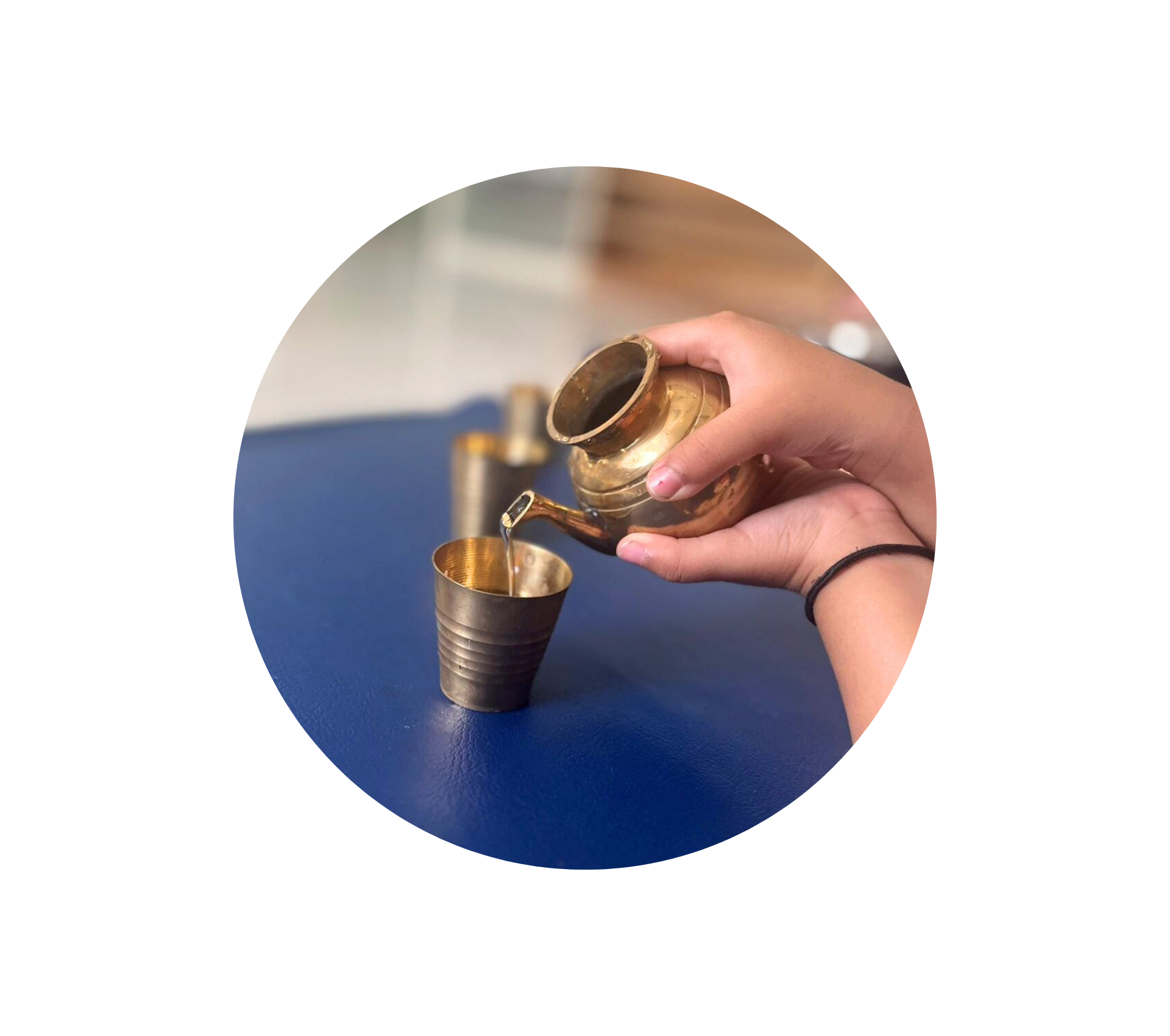
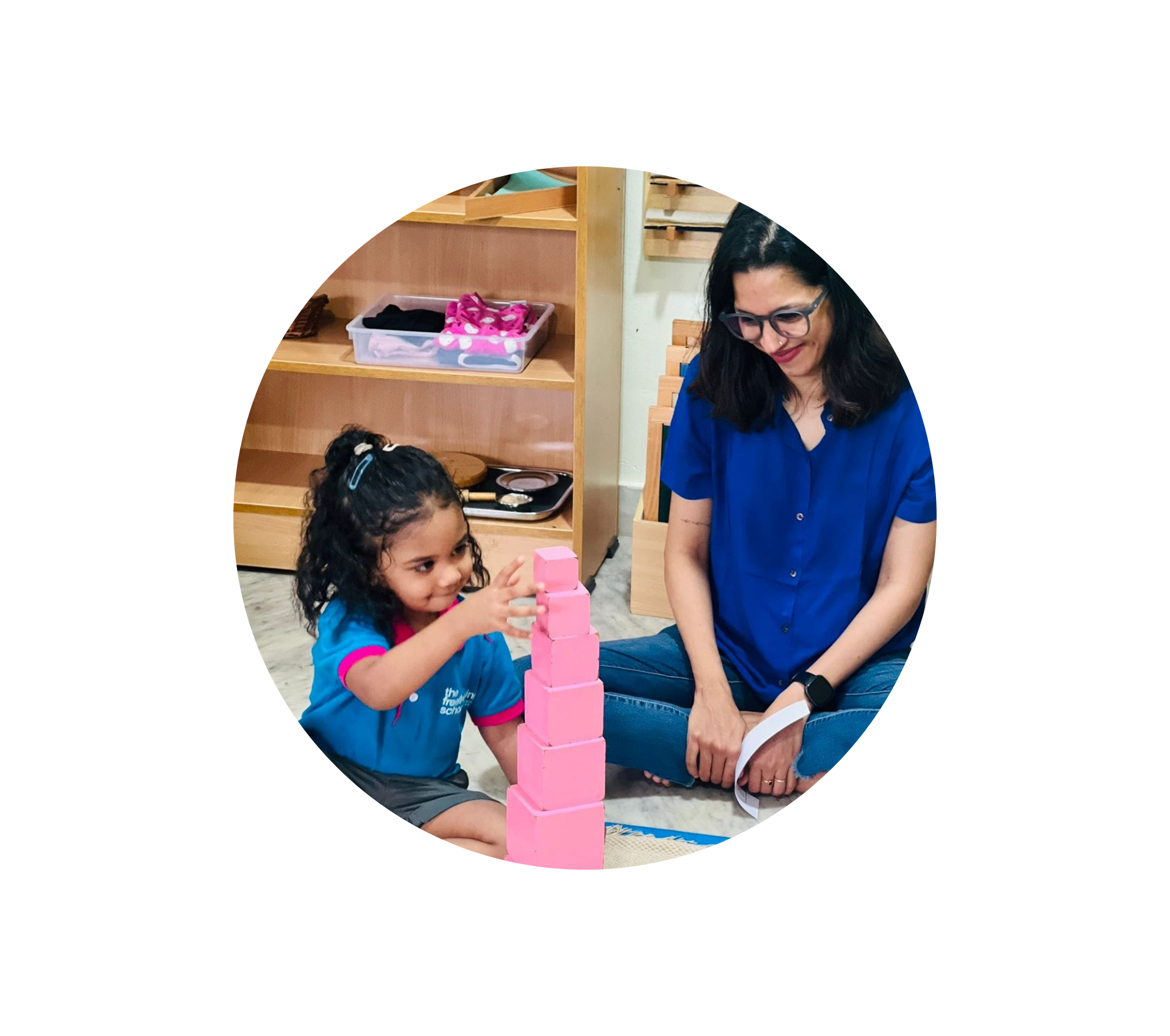
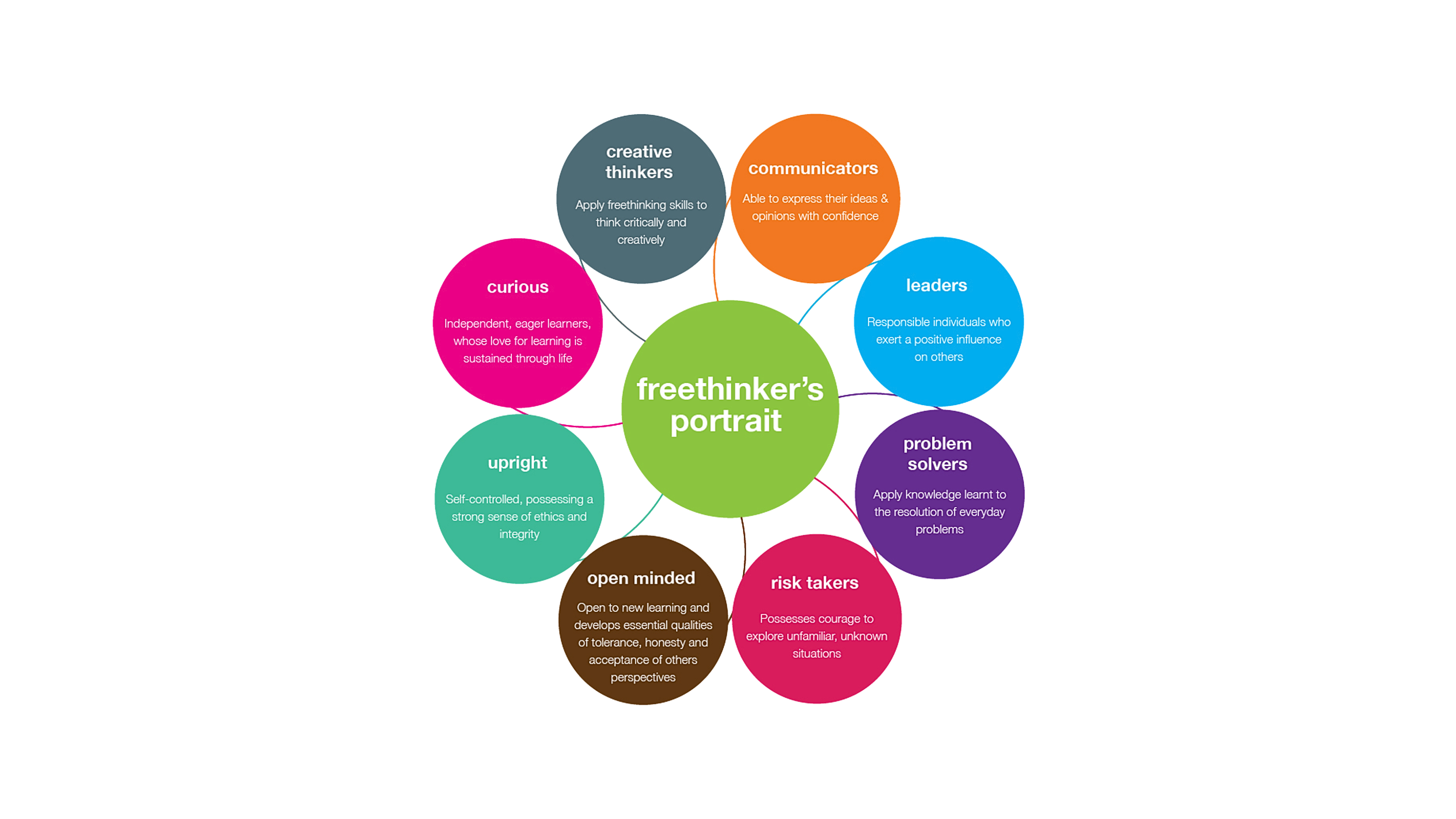
With attractive Montessori materials, children are free to explore, question and reason for themselves. We’ve put together a customized curriculum of various teaching methods to give our children a holistic learning experience.
expert community teachers
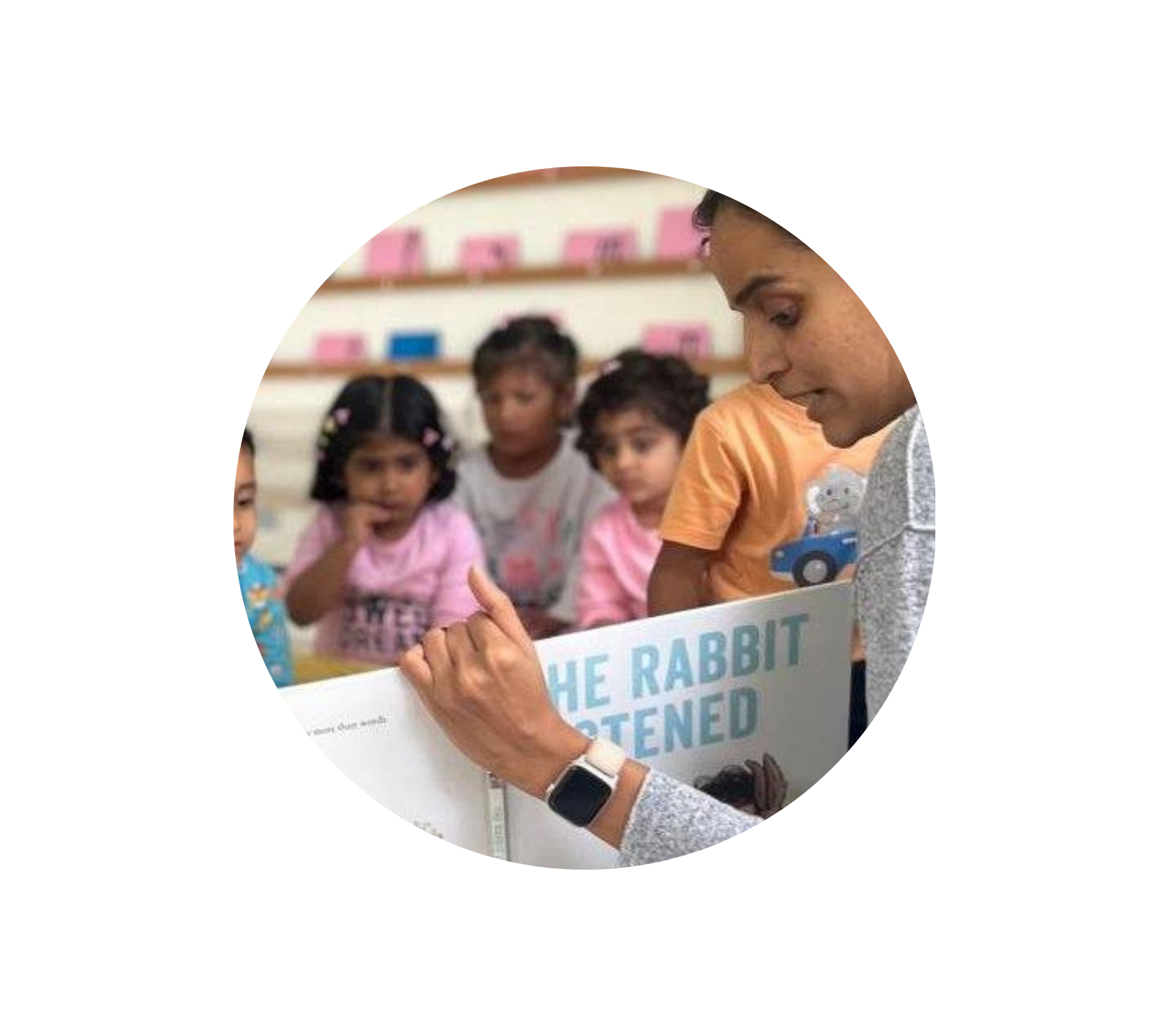
We draw on life experts who work alongside classroom teachers to integrate art, music, dance and physical education through the day to further enhance the child’s experience.
extended day
For children upwards of 3.5 years, we have divided the day into two halves. While the morning half is focused on core subjects, the second half is time for them to explore their creativity.
curated experiences
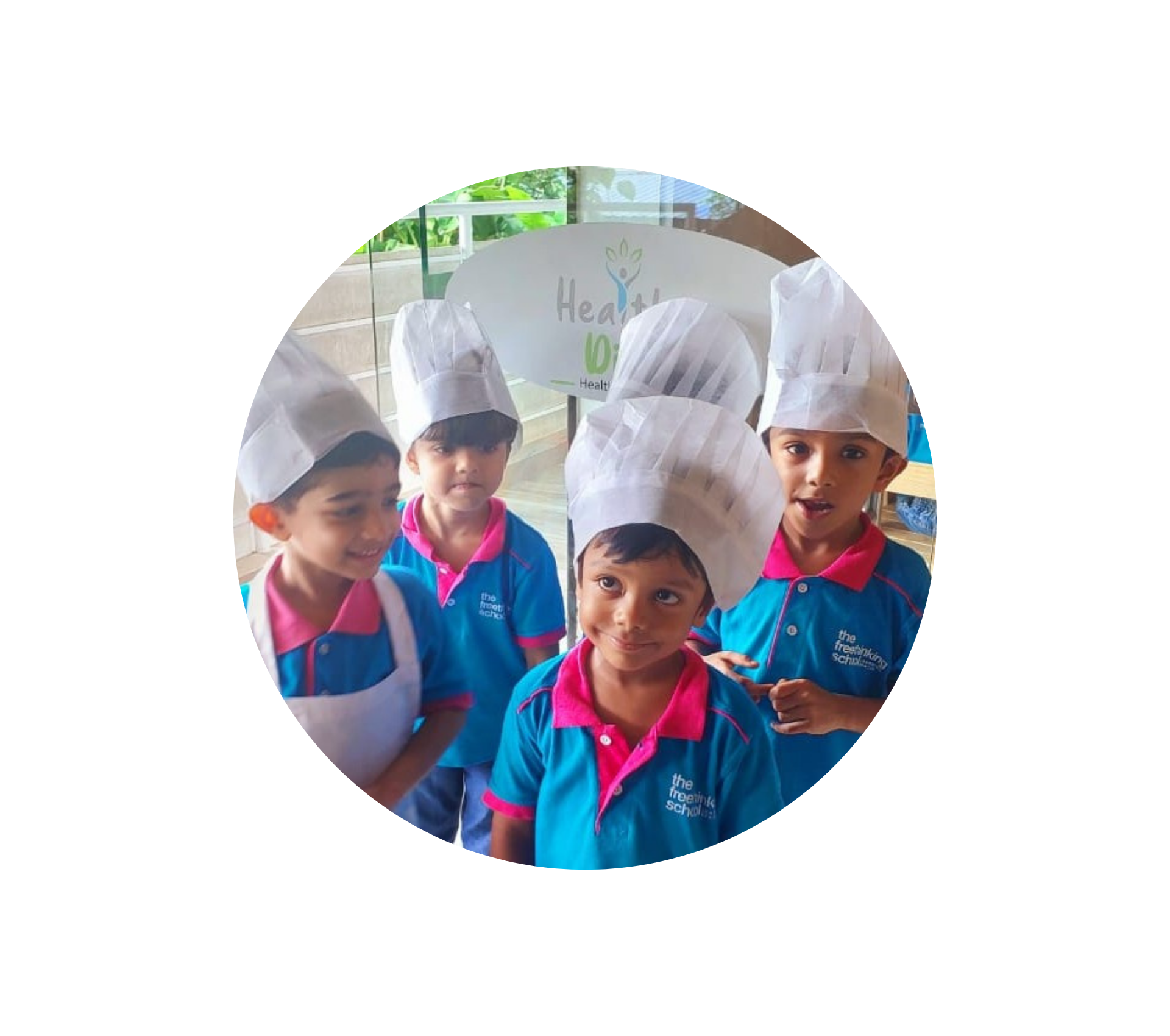
Field trips to familiar places such as the local grocery stores, parks, libraries, restaurants etc., build on children’s interests especially since it is a natural extension to classroom learning; intended to expand their knowledge to the next level, where it is applied.
freethinking class spaces
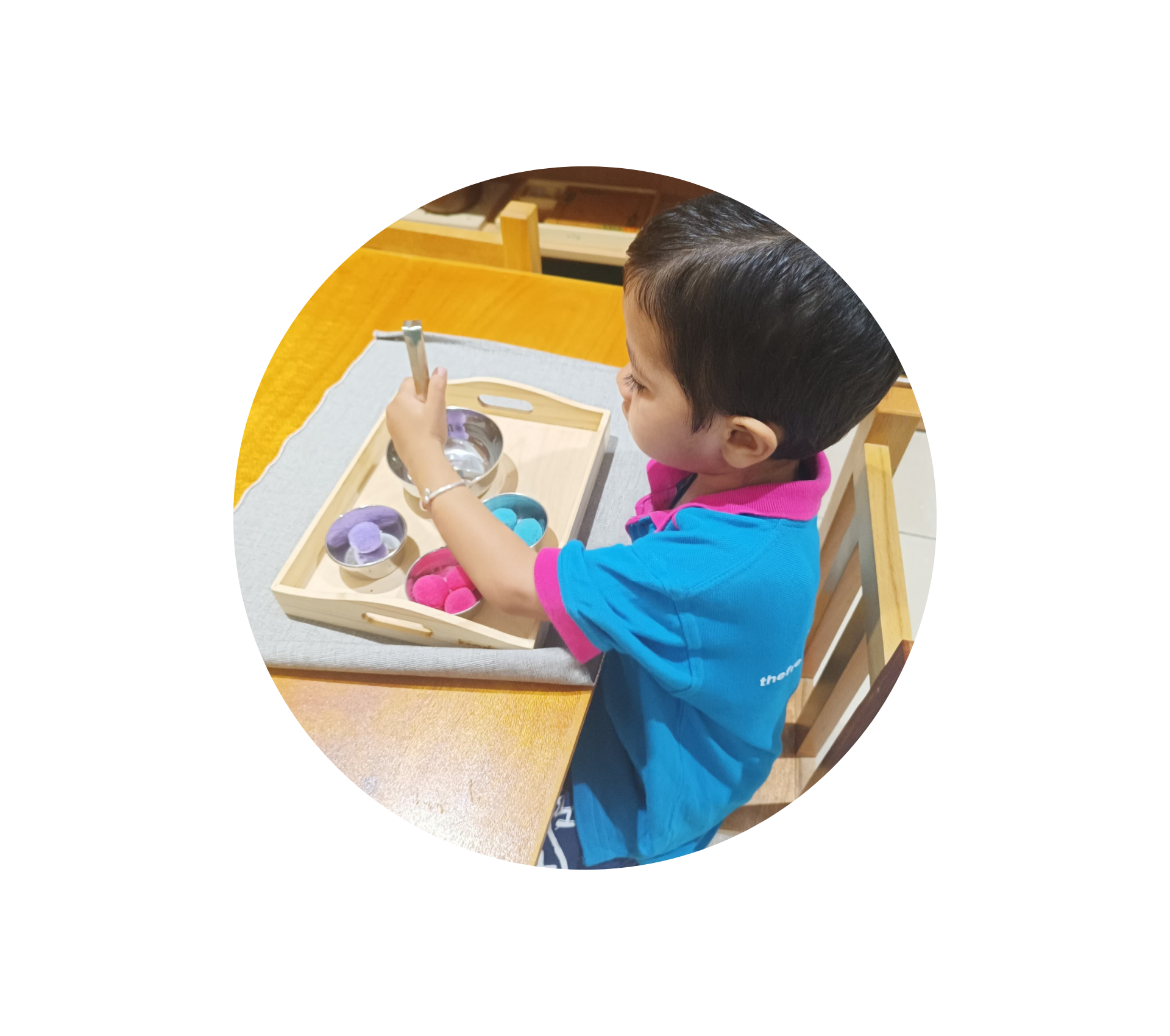
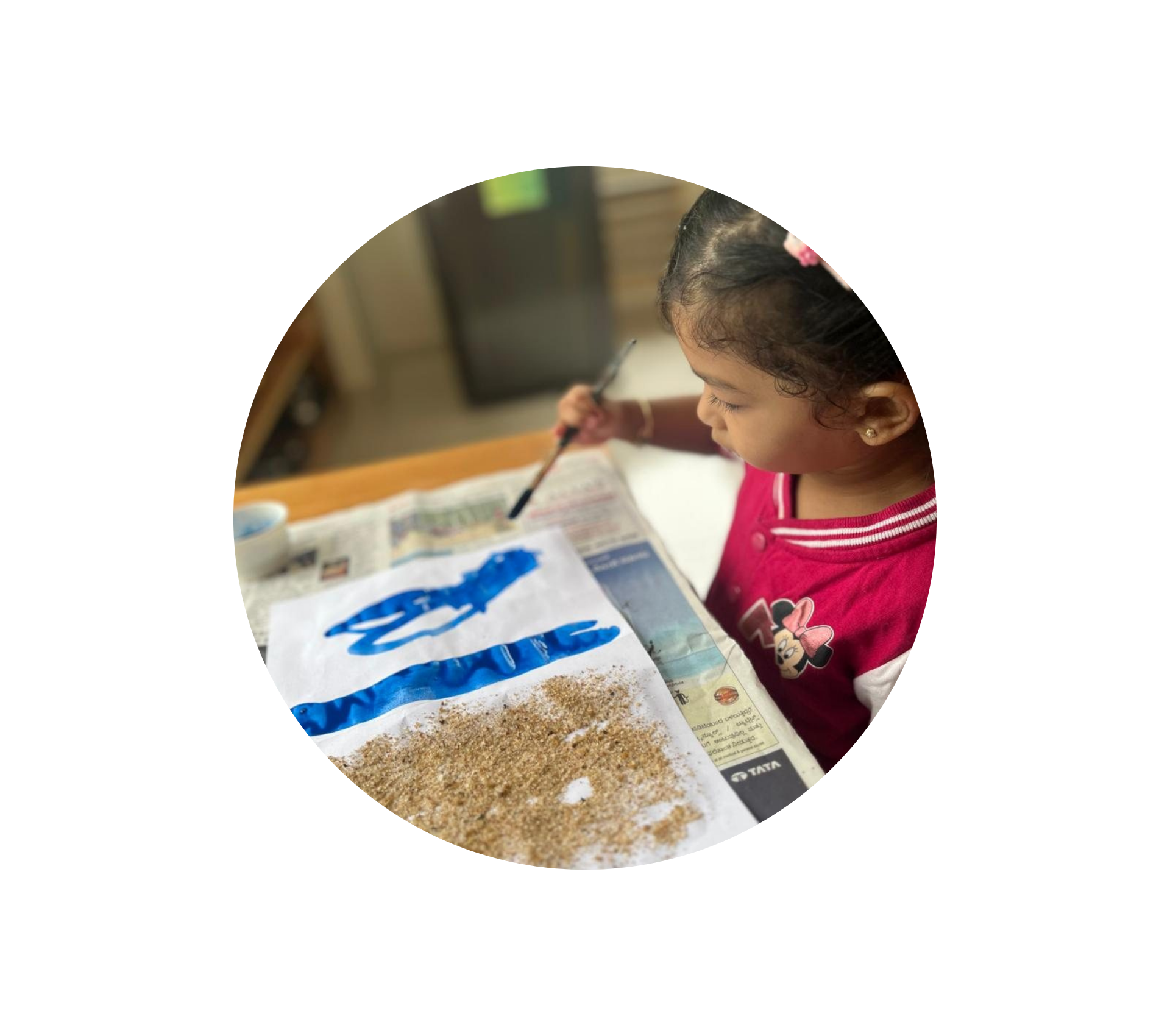
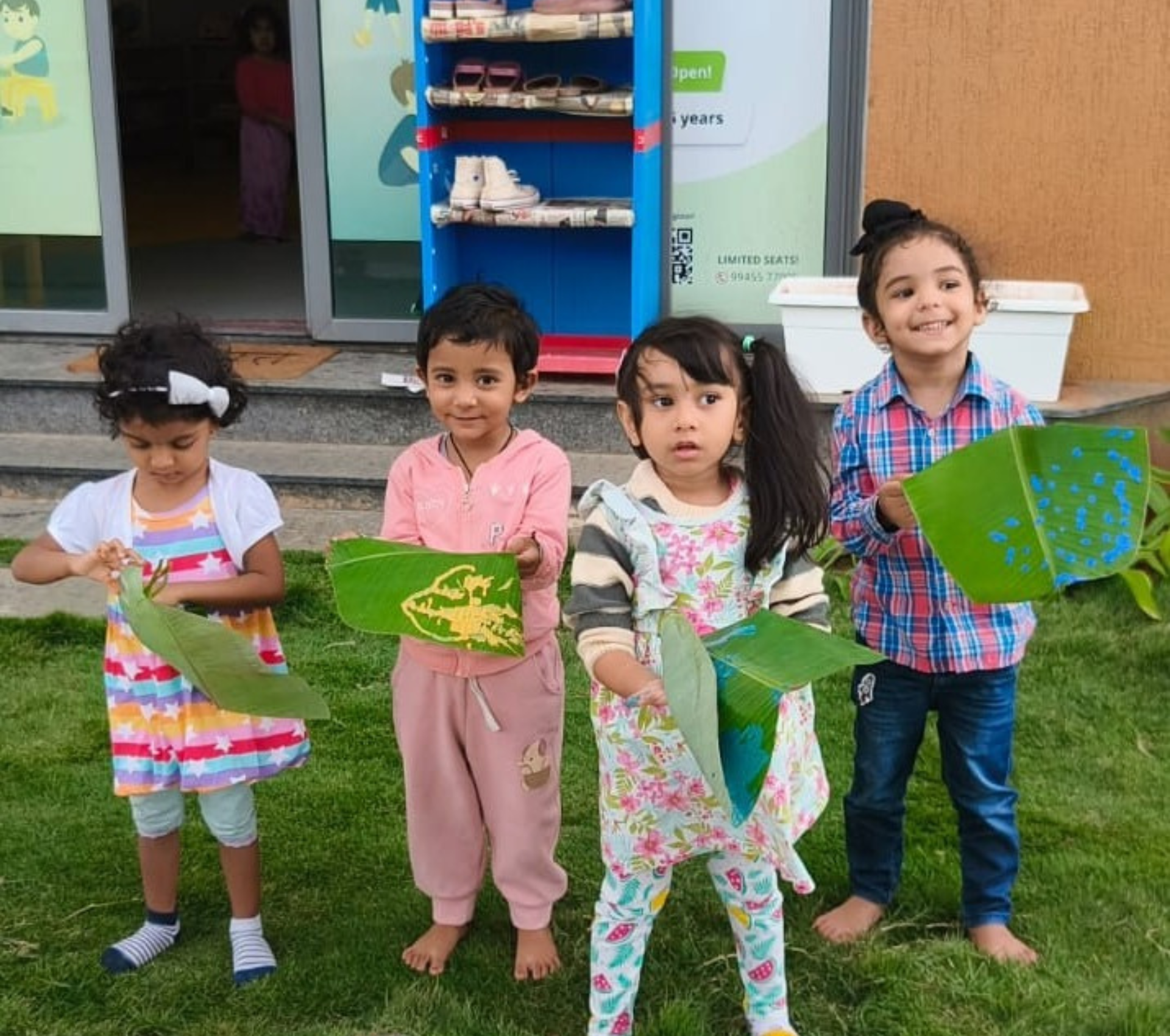
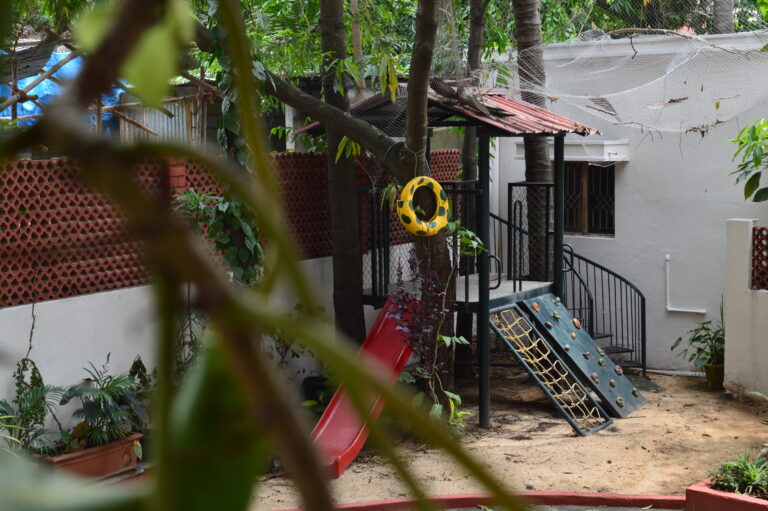
The Freethinking Space is an authentic and charming to cater to the early childhood program. Within the specially prepared indoor and outdoor environments, children freely engage in constructive activities for practical life, sensorial development, language, math, music, dance and movement. It is a preparation of life, which will benefit the child for years to come.
thematic learning
Through our inquiry generating themes children explore and understand a vast body of knowledge, making connections to their prior knowledge, gaining perspectives and offering opportunity for creative thought. These themes transcend boundaries of discipline; which link various subject strands that the topic touches upon, thereby broadening and strengthening their long-term understanding of the key idea.

At The Freethinking School,
our focus is on montessori-based, personalized, experiential learning that
transcends the classroom, to make every child a freethinker for life.
 Enquire Now
General FAQs
Admission is open all year round as and when a child turns 1.5 years
9.00am to 12.30pm for age group 2.5 to 3.5 years; 9.00am to 2.30pm for age group 3.5 years plus.
For the Preschool children we have music, dance, art and craft, theatre etc as a part of the curriculum. We also have an After School Club that offers various activities that is open to all other children. Please visit the After School page for details.
We have an After School Care program that runs from 12.30 to 5.30pm. Please visit the After School page for details.
The student -teacher ratio is 1:10 thus meeting international standards.
We have 24 hour security guards, CCTV cameras, full time attenders and our ever-attentive teachers.